Moving Past the Static Template: The Modern Era of Dental Web Design
Medical web design has evolved past the era of static grid layouts and generic template choices. Modern parents—largely tech-savvy Millennials and Gen Z—expect digital experiences that match the fluidity of the modern consumer applications they use daily. If a pediatric clinic’s website looks like a static corporate ledger or a dry medical directory, it will bleed conversions to more progressive practices.
To capture modern search traffic and turn casual visitors into loyal patients, a practice website must balance a highly professional architecture with interactive, welcoming elements. Let’s look at the top web design trends dominating pediatric dentistry this year.
1. Fluid ERP-Grade Layouts vs. Standard Web App CRUD Styles
For years, web development relied on basic rows and columns that felt rigid. The current standard demands fluid, highly responsive, and high data-density layouts. Instead of making parents click through multiple nested menus to find information on insurance, pricing, or doctor bios, information should flow seamlessly on a single, unified canvas.
This dashboard-level structural approach gives users the feeling that a practice is technically advanced, highly organized, and efficient. When a clinic shows precision online, parents instinctively trust that same precision will be applied to clinical treatments. Implementing clean grid systems with subtle glassmorphism overlays creates an authoritative yet modern visual flow.
| Design Element | Outdated Approach | Modern Industry Standard |
|---|---|---|
| Layout Structure | Rigid boxes, template grids, heavy borders. | Fluid asymmetry, glassmorphism overlays, seamless scrolling wrappers. |
| Asset Packaging | Heavy uncompressed JPEGs or slow external network scripts. | WebP asset compression paired with localized Tailwind CSS architectures for fast load times. |
| Interactivity | Static text links and multi-page redirecting forms. | Micro-interactions, single-screen sliding panels, real-time booking updates. |
2. Immersive Video & 3D Interactive Virtual Tours
One of the biggest hurdles for pediatric dentists is child anxiety. A highly effective design trend to combat this is incorporating interactive, immersive video elements directly into the homepage hero section.
Instead of relying entirely on text to explain that an office is child-friendly, successful sites use continuous video backgrounds or a lightweight 3D virtual tour module. This allows parents to explore the clinic alongside their child before their actual appointment. Showing the colorful waiting rooms, the arcade games, or the ceiling-mounted TVs above the dental chairs directly neutralizes the fear of the unknown. This visual transparency builds immediate trust with anxious parents looking for a gentle dental home.
“Websites utilizing interactive video elements experience an average increase of 42% in user session duration compared to traditional static medical websites.”
3. Light/Dark Adaptability and Advanced Micro-Accessibility
Busy parents do most of their research and appointment scheduling late at night once their kids are asleep. A brilliant white website layout can cause intense eye strain in a dark room, causing users to quickly close the tab.
Integrating a smooth, automatic light/dark mode switch that adjusts based on the user’s system preferences is an excellent conversion optimization strategy. Furthermore, accessibility components such as text-resizing tools and high-contrast toggles ensure that a website remains perfectly usable for every family member, maximizing reach and maintaining compliance with modern web accessibility guidelines.
4. Lightweight Asset Optimization for Flawless Core Web Vitals
The most visually stunning design is completely useless if a parent abandons the tab because it takes too long to load on their mobile device. The backend trend driving successful modern web development is strict asset optimization.
To pass Google’s demanding Core Web Vitals benchmarks and win top search rankings, modern developers avoid bloated plugins and massive image files. Heavy photographs must be systematically compressed into WebP formats, and all global styling should be generated via precise, local CLI processes to completely cut down load times. Removing external dependencies ensures the page renders instantly even on slower mobile data connections.
5. Frictionless, Multi-Step Patient Onboarding Flows
Long, single-page forms with twenty different inputs are conversion killers. The modern standard uses logical, multi-step micro-forms that feel easy and interactive. By breaking the onboarding process into bite-sized questions—such as asking for the child’s age group before requesting contact details—the psychological friction of filling out medical paperwork is drastically reduced.
Progress bars and animated transitions keep the user engaged throughout the process. Once the initial appointment request is captured, automated systems can then deliver the comprehensive, secure intake paperwork via email or text, keeping the website experience light, fast, and highly efficient.
Future-Proof Your Dental Practice’s Digital Footprint
Deploying these advanced visual and technical trends requires a development team that understands both high-ticket user psychology and clean programming architecture. Moving away from standard templates is essential to build custom, professional, and fast platforms engineered directly for growth.
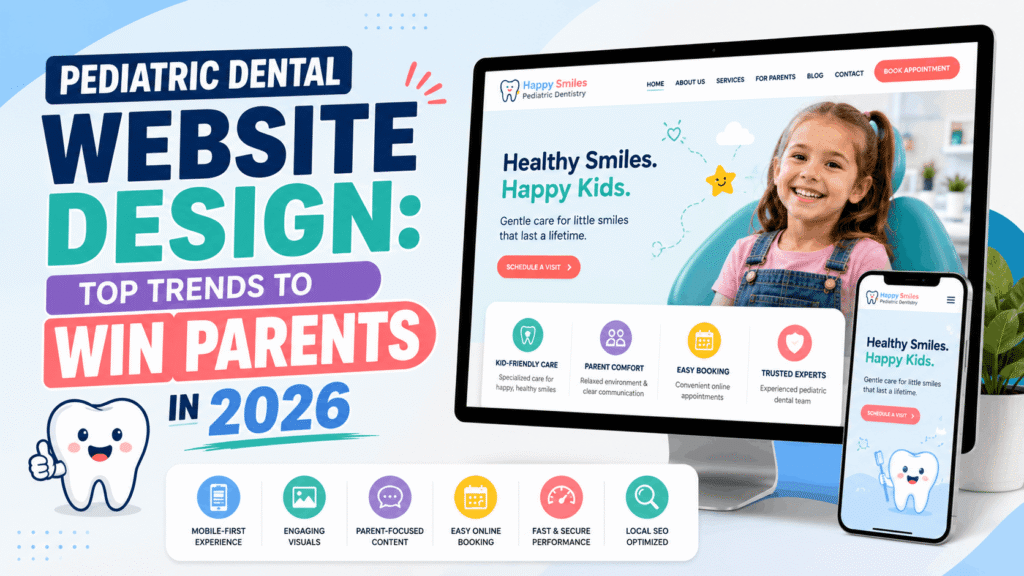
Transforming an online presence into a sleek, parent-approved marketing engine requires specialized execution. Exploring advanced options in modern pediatric dental website design can significantly help a clinic secure long-term local authority. Implementing robust backend systems ensures your digital asset remains secure, scalable, and highly performant for years to come.